
UMD’s Gamer Symphony Orchestra Turns 20
The 150-member organization, which includes around 60 Science Terps, brings the most epic computer game music into the real world.
Video games have come a long way since Pong and Pac-Man. Today’s programs promise epic landscapes, complex characters, multi-layered fantasy adventures—and sweeping musical scores.
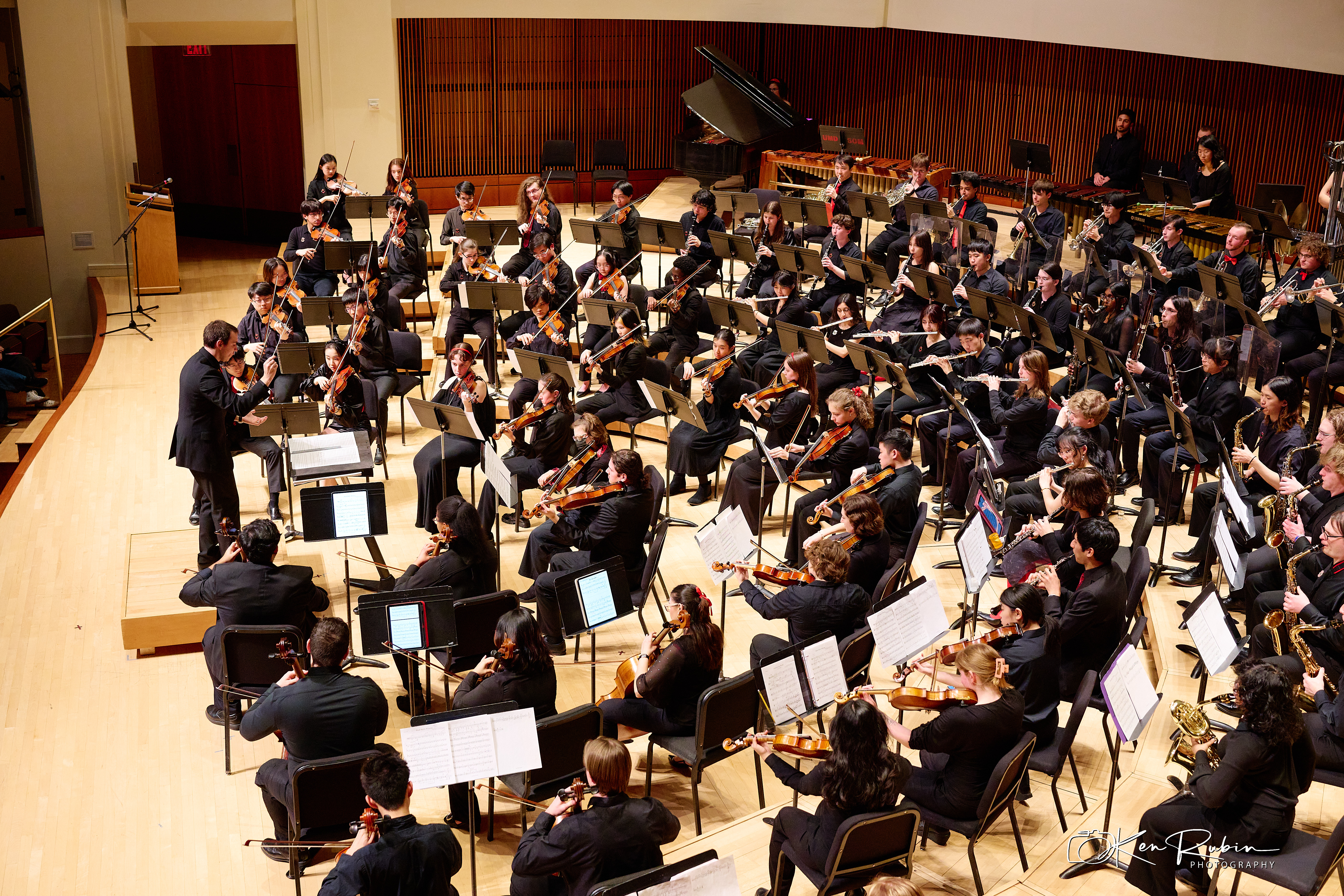
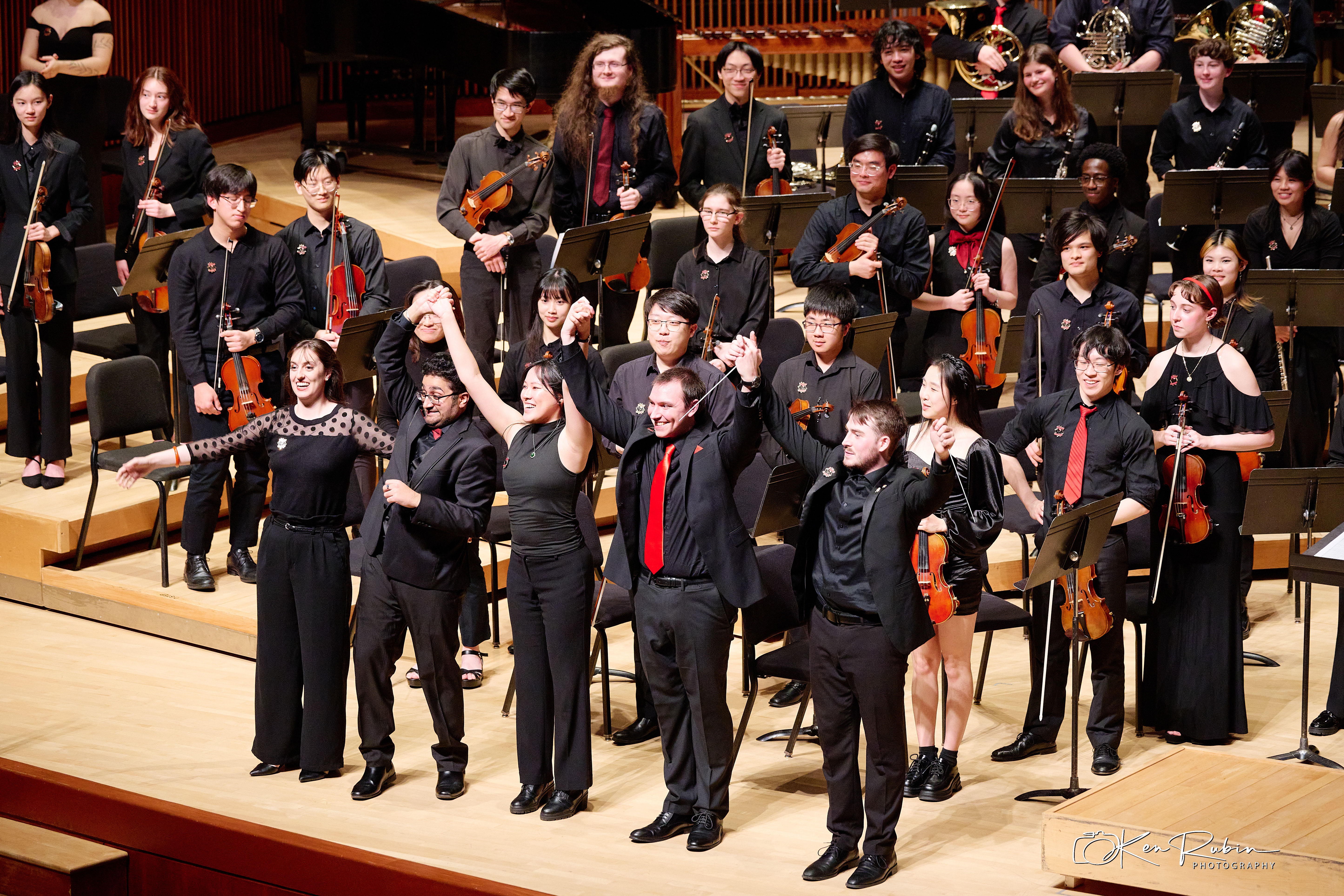
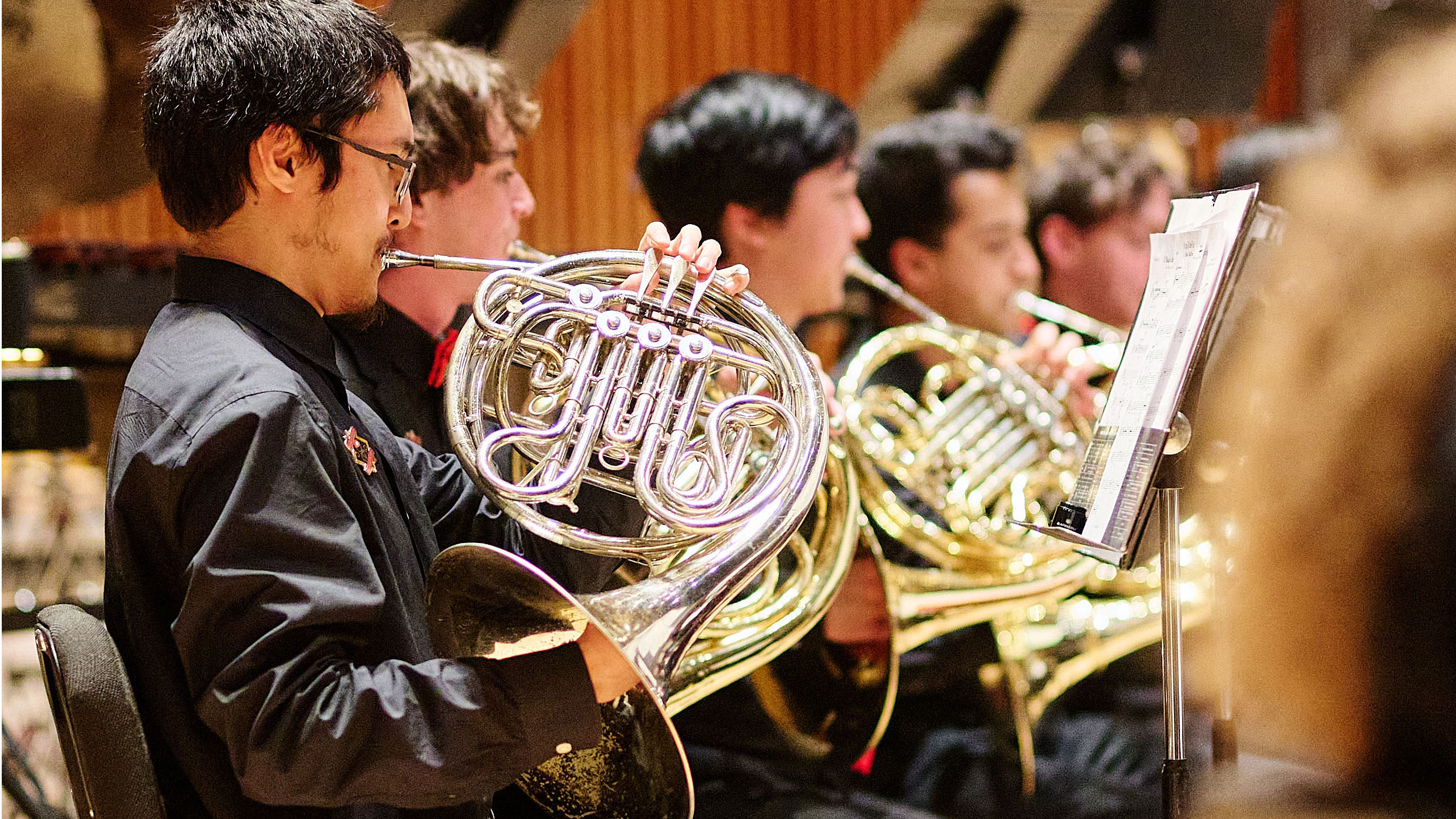
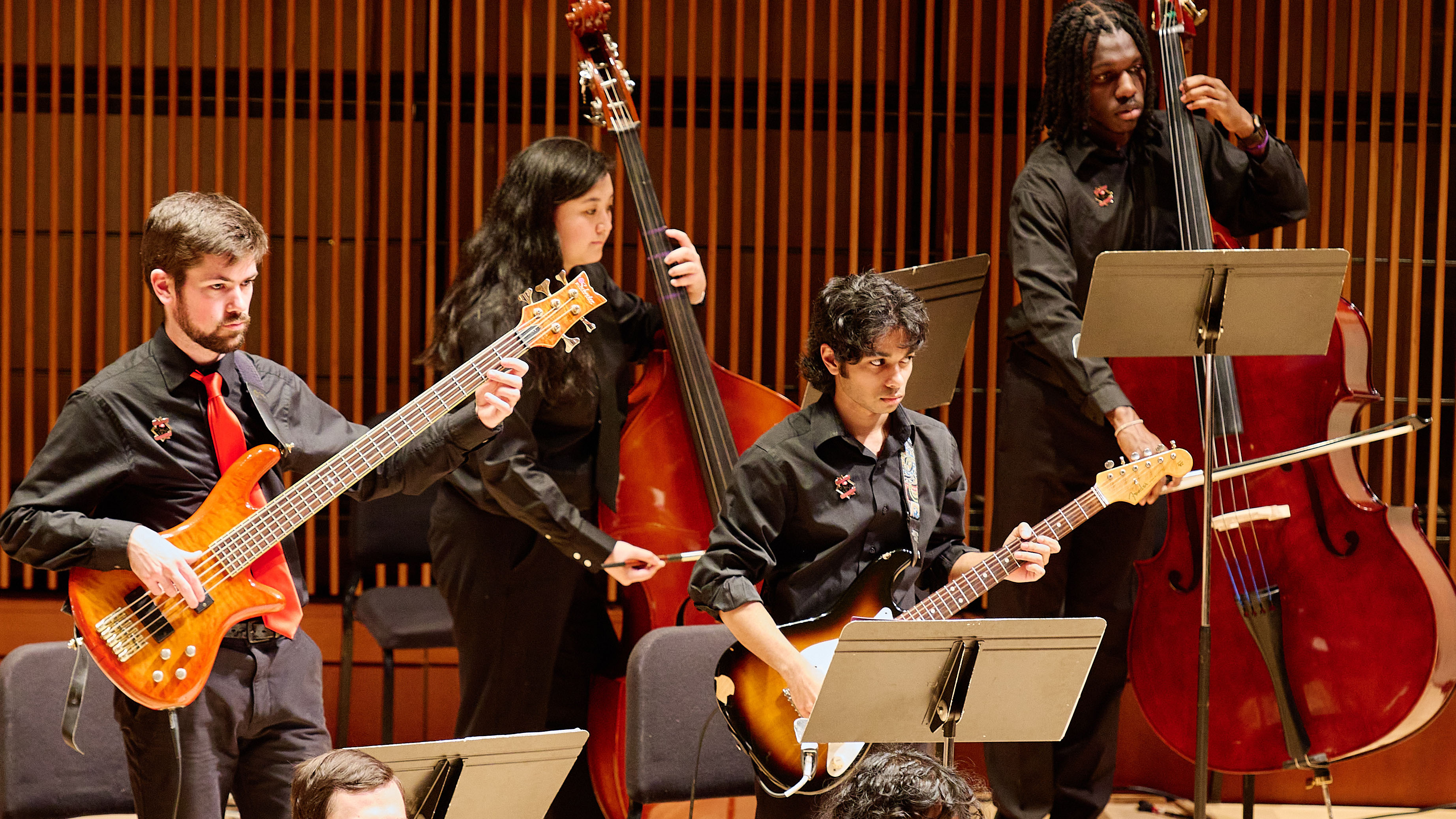
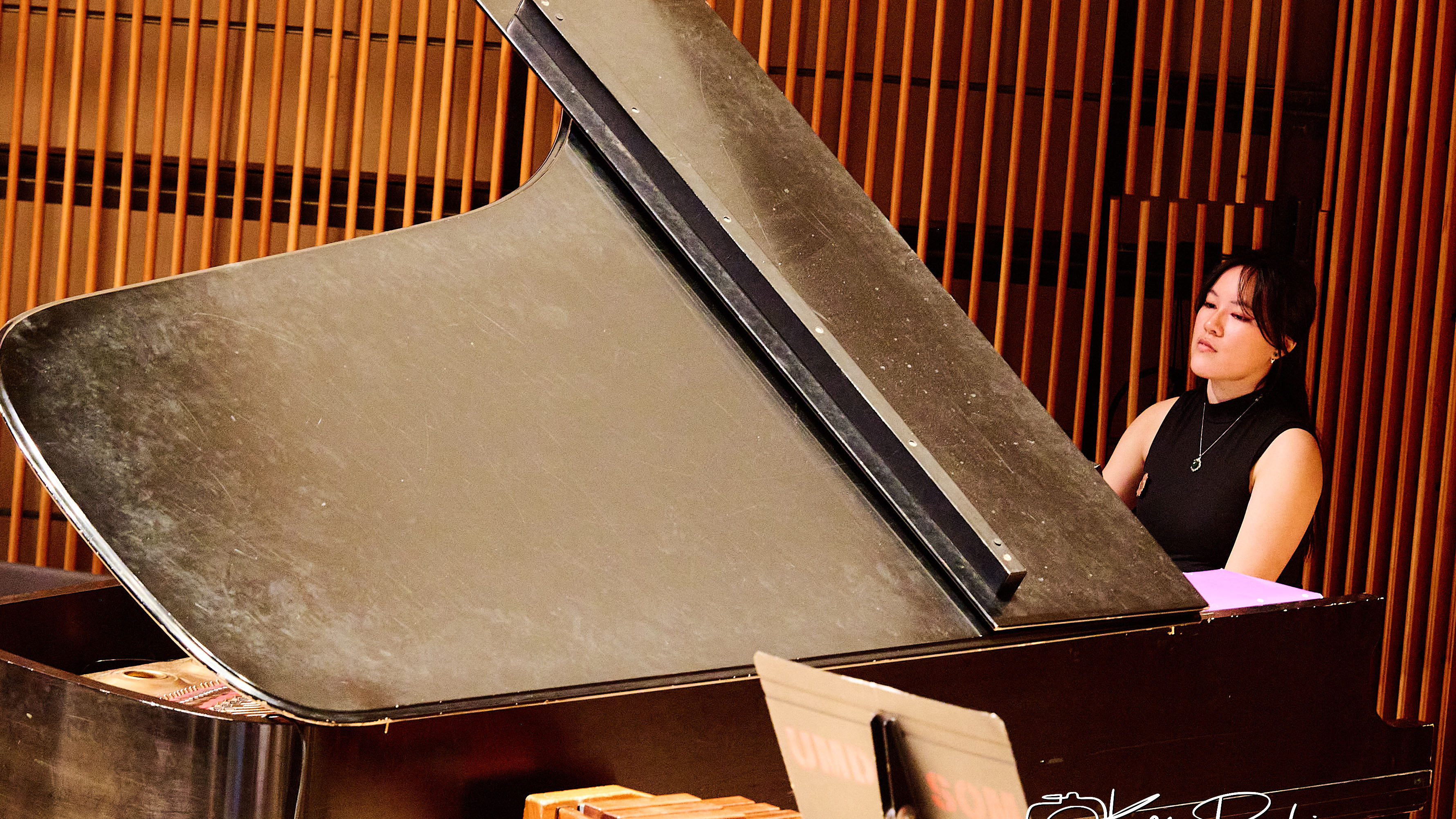
For the past two decades, the University of Maryland’s Gamer Symphony Orchestra (GSO) has tapped into the musical magic that provides the soundtrack for these video game experiences. The student-run organization performs its own arrangements of everything from full orchestral scores to quirky cartoonish tunes—the audio behind hundreds of video games and game franchises.
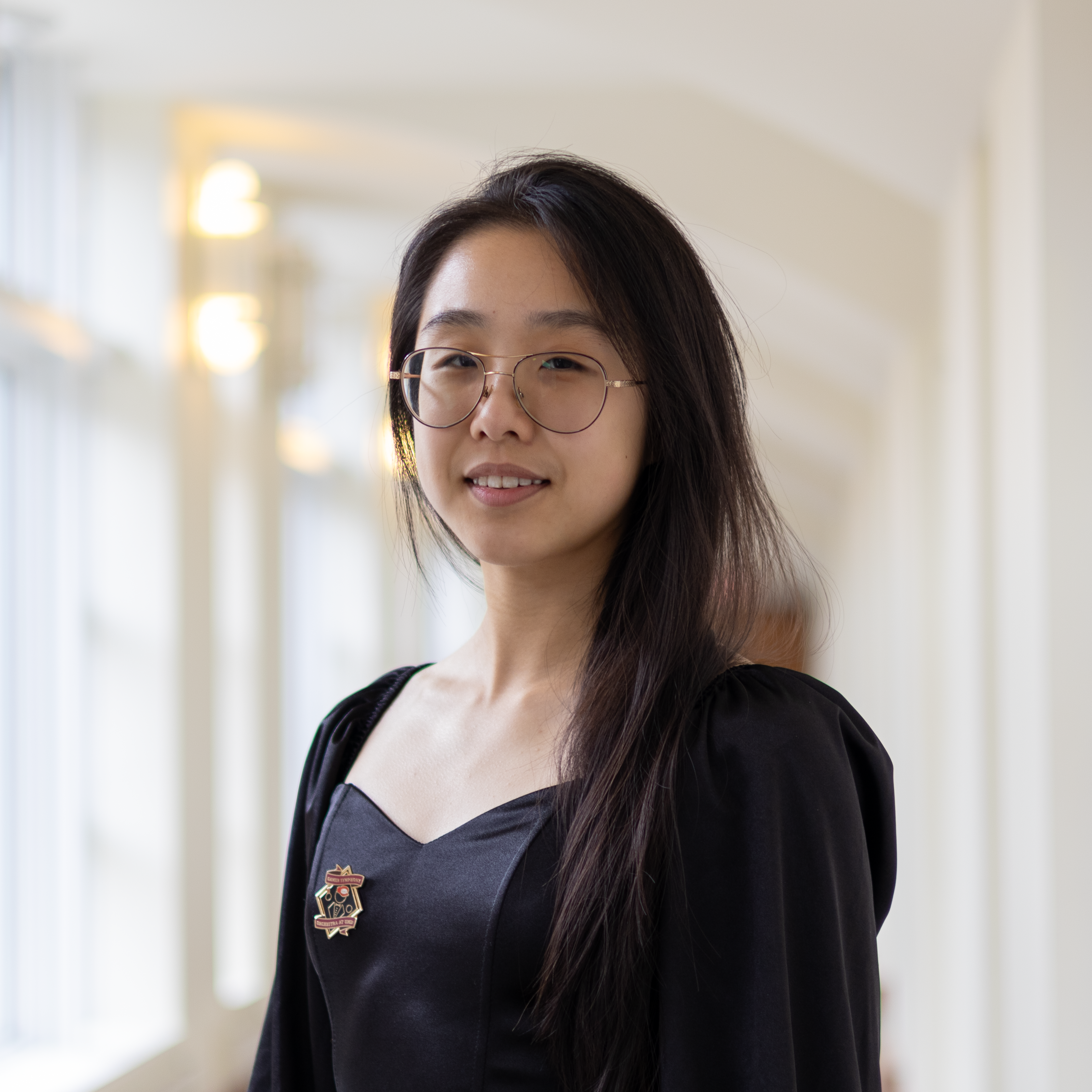
“Those who don’t game might not realize how important the music can be to the whole experience,” said senior biological sciences major Cynthia Xi, GSO president and “gamer” since kindergarten. “The music is incredibly varied—there’s classical, jazz, electronic, plus music that’s hard to describe, and it’s often super nostalgic or super catchy,” she said. “It gives the player a real sense of the game’s personality.”
When violinist Michelle Eng (B.A ’03, education; M.Ed. ’07, curriculum and instruction) founded the UMD’s GSO as a student in 2005, she recruited a half-dozen musicians to form the first ensemble focused on popular video game compositions, and the group grew quickly.
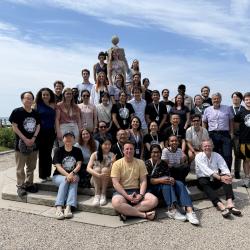
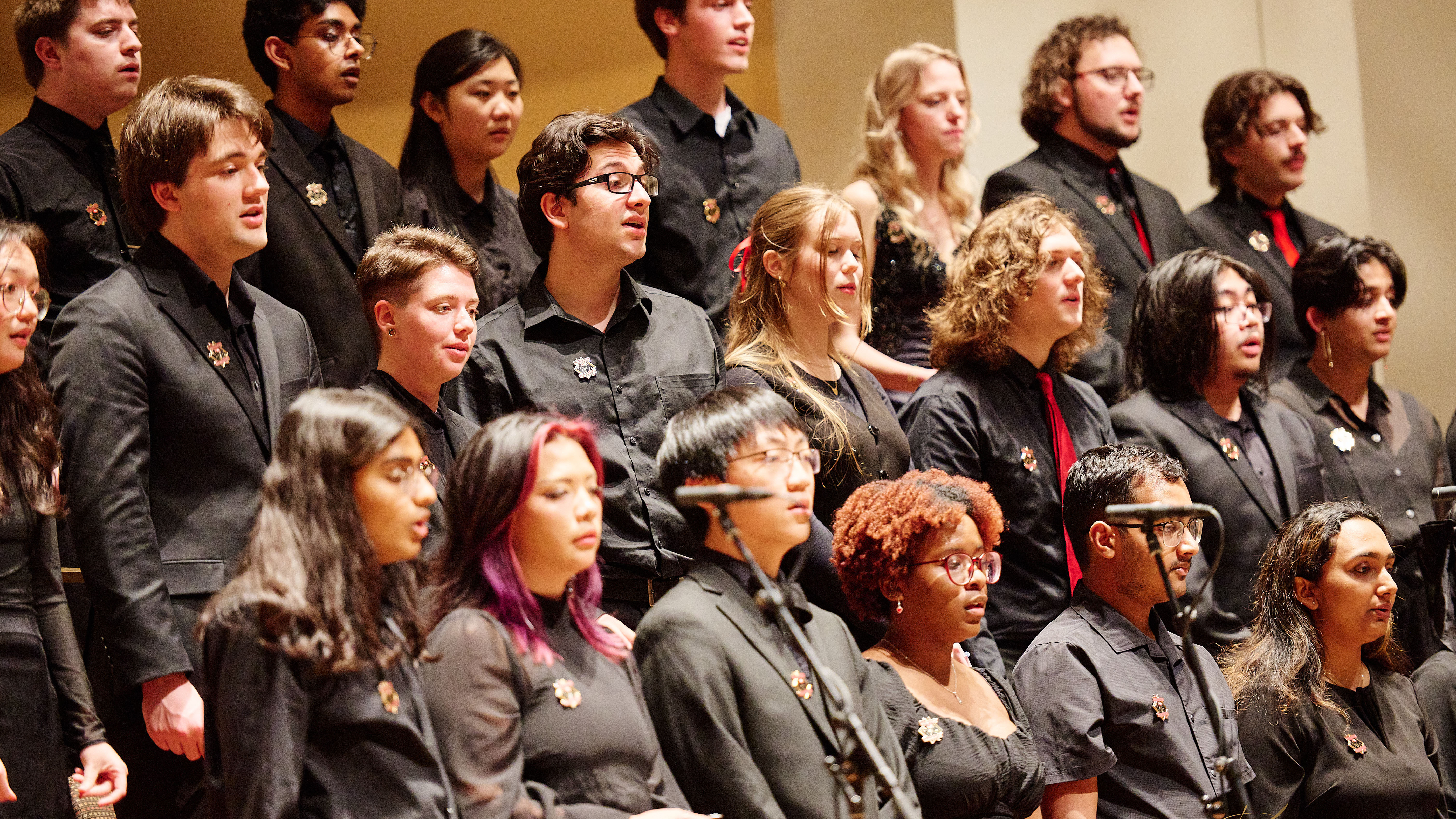
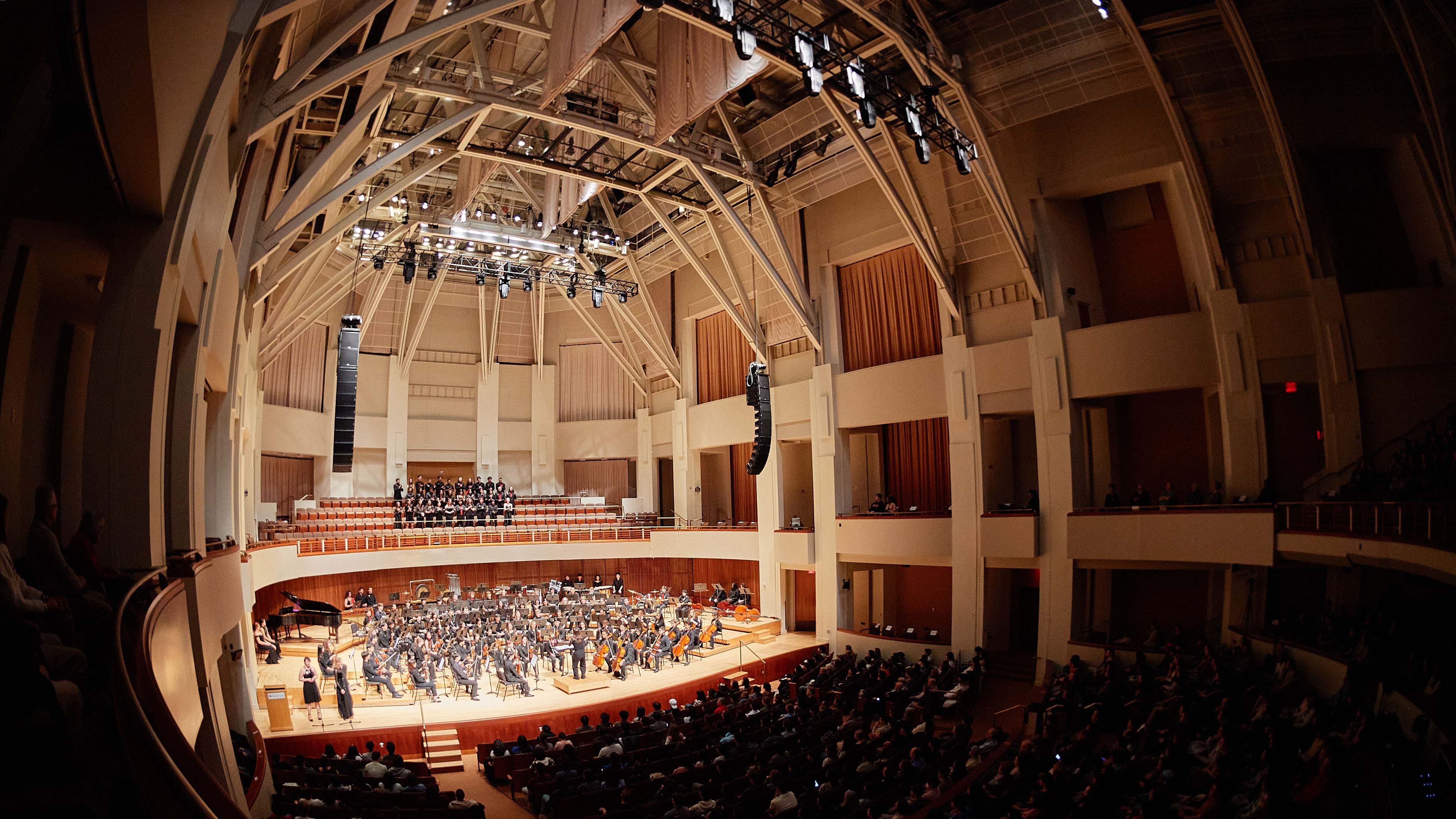
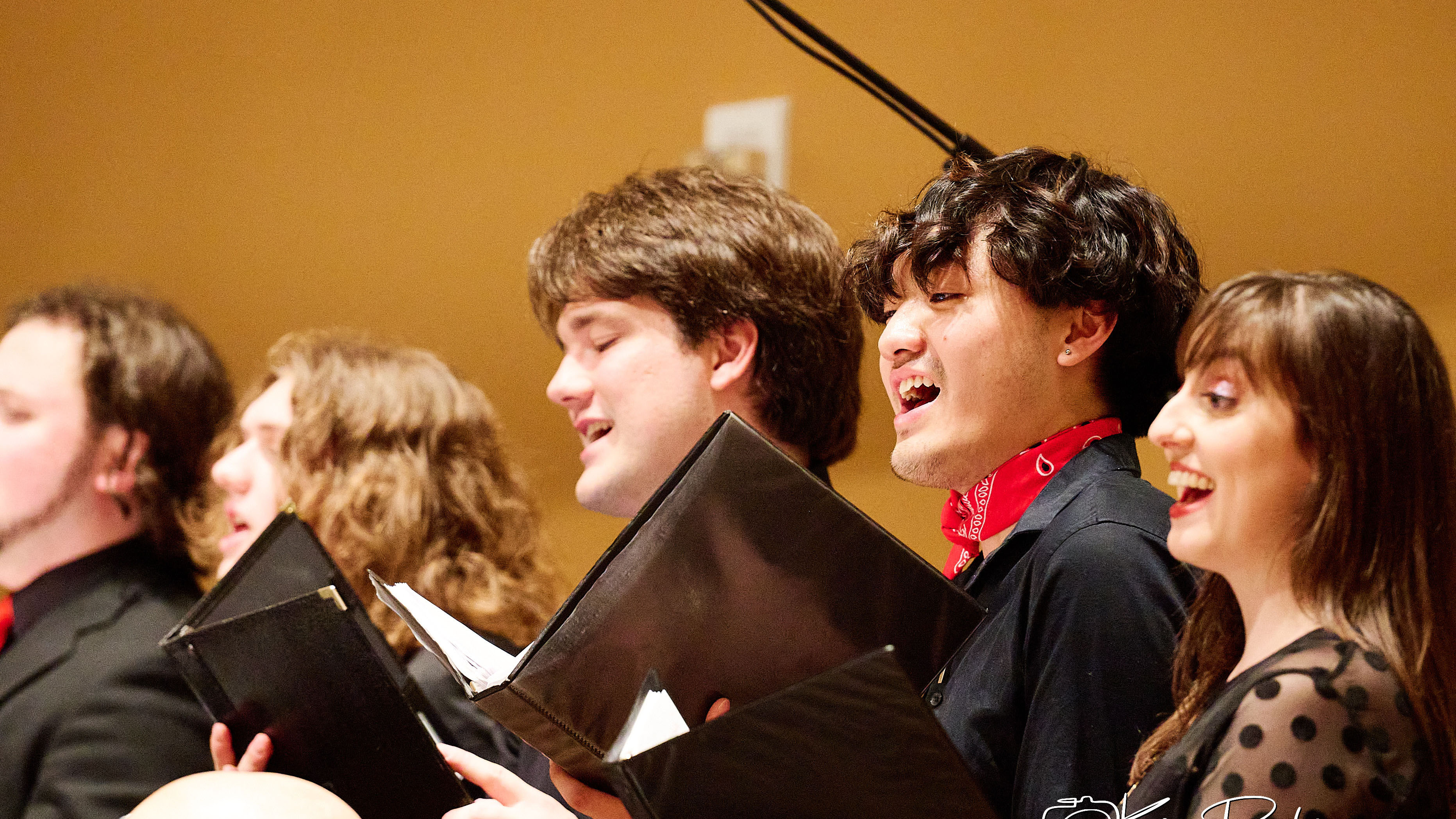
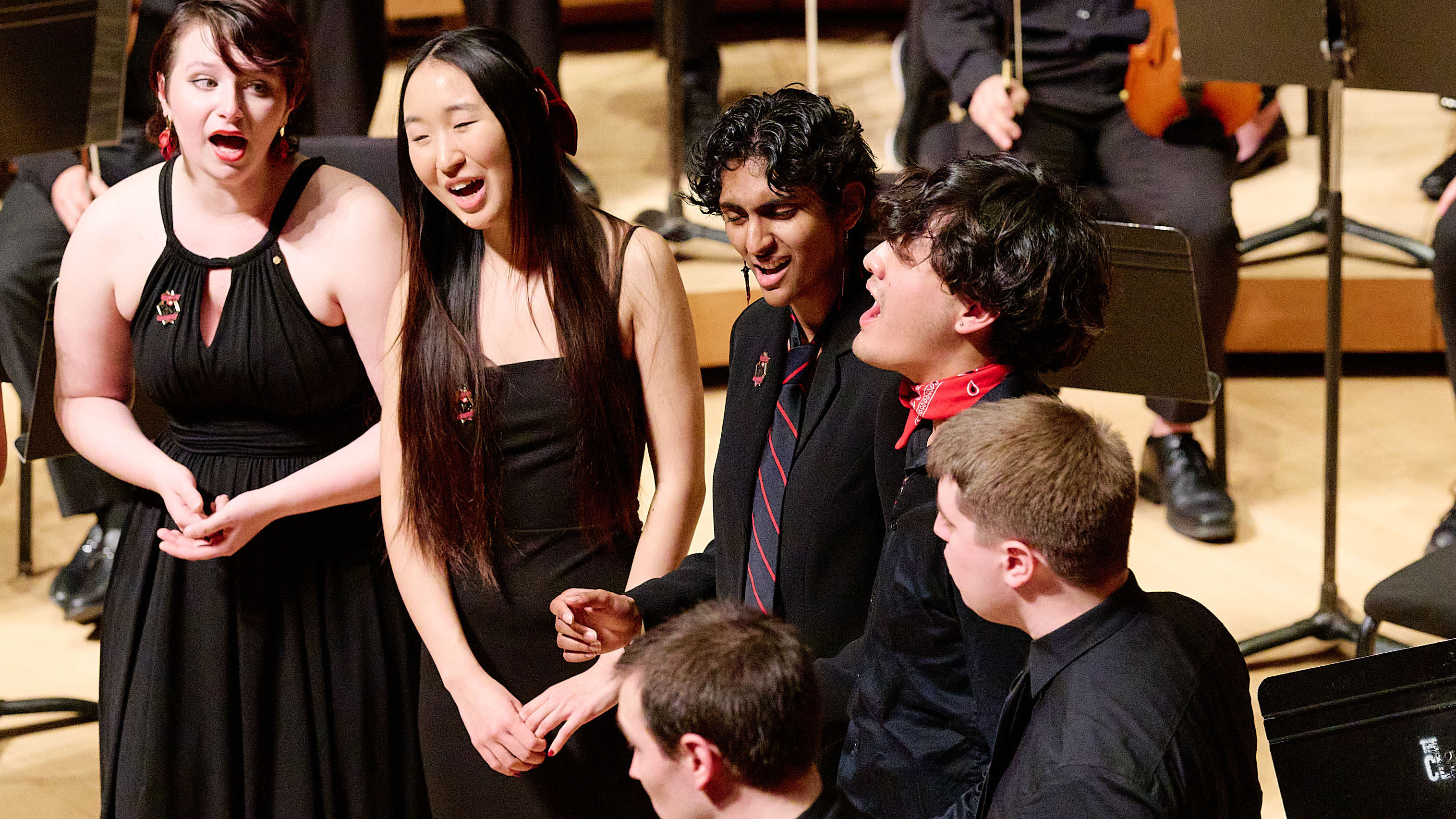
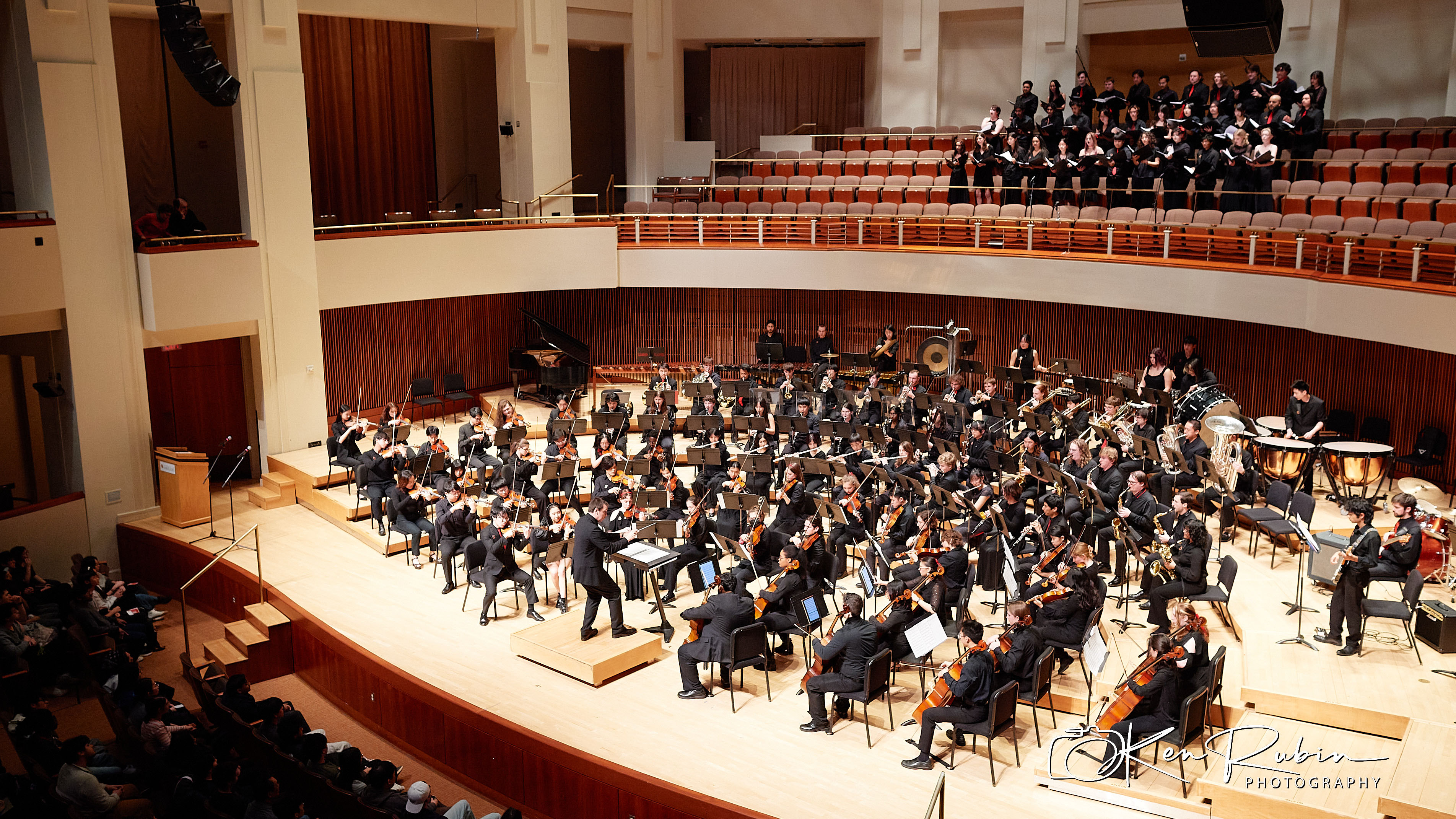
Today? “We have 150 musicians including the choir, which is just about our full capacity,” said Theresa Menna, a biological sciences Ph.D. student who joined in 2023, sings soprano, and serves as a choir director. “We’d love to grow even larger, but we are simply out of physical space!”
20 years and counting
On May 17, 2026, the GSO will celebrate its 20-year anniversary by performing arrangements from games old and new at UMD’s Clarice Smith Performing Arts Center.
“It’s hard to believe it’s been around for so long,” said Jack Wethington, a sophomore astronomy major who joined GSO his first semester to sing tenor. He’s also a GSO technical director, doing behind-the-scenes production work and recording.
“The organization is now older than some of its members, which is a testament to the quality of the music and musicians,” he said.
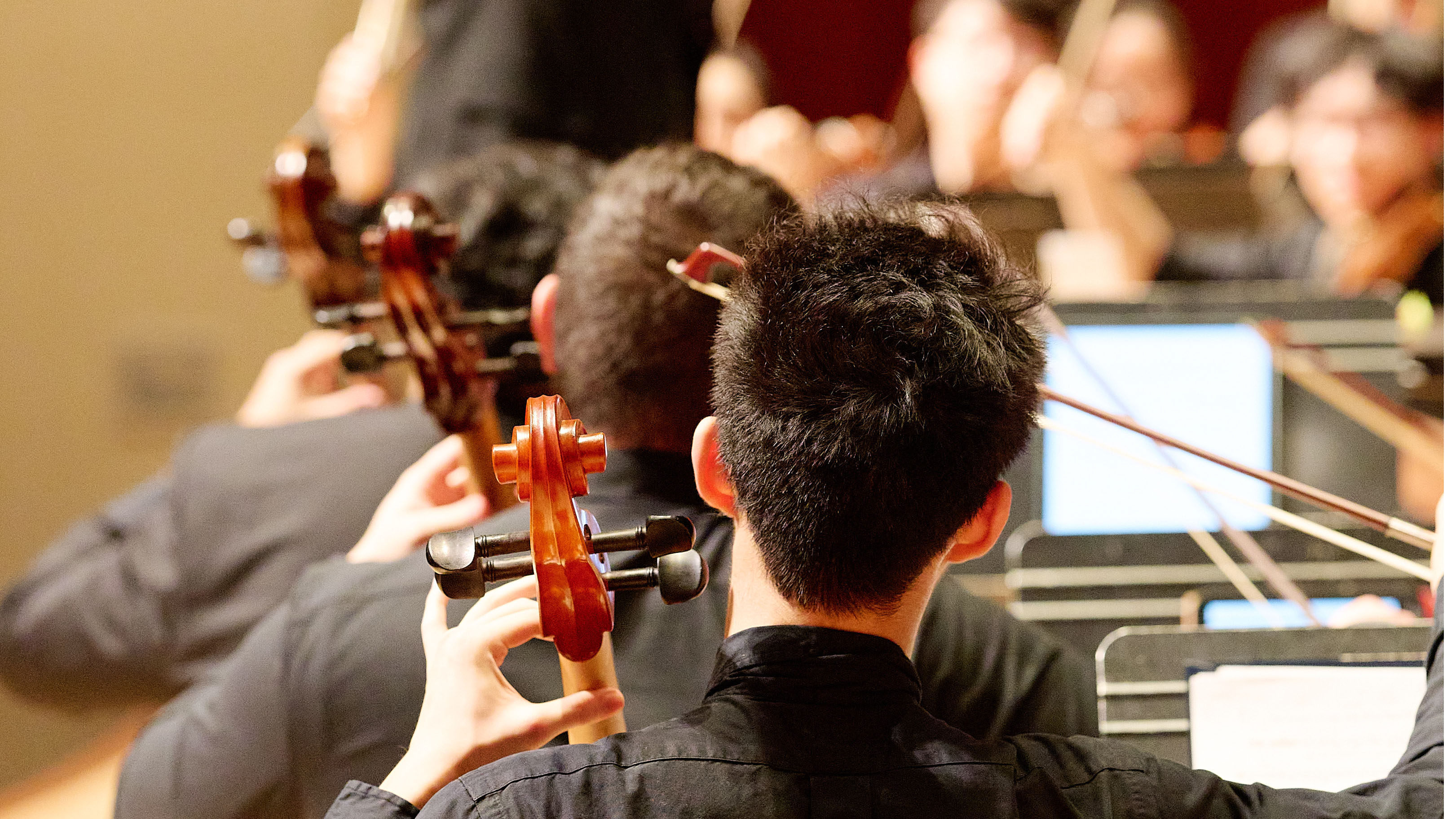
That quality takes a lot of work—and a lot of time. Most participants rehearse for four hours a week, and those in leadership positions put in even more time.
“It’s not just a school club that meets once a week, it’s a real commitment,” Xi noted. “Just like when we’re deep into playing a game, people here are extremely invested.”
Students’ interest in the GSO continues even after graduation—Terp alumni helped start the Washington Metropolitan GSO in 2012, and there are now GSOs in Baltimore and Philadelphia, “so it doesn’t have to end when you graduate,” Xi said.
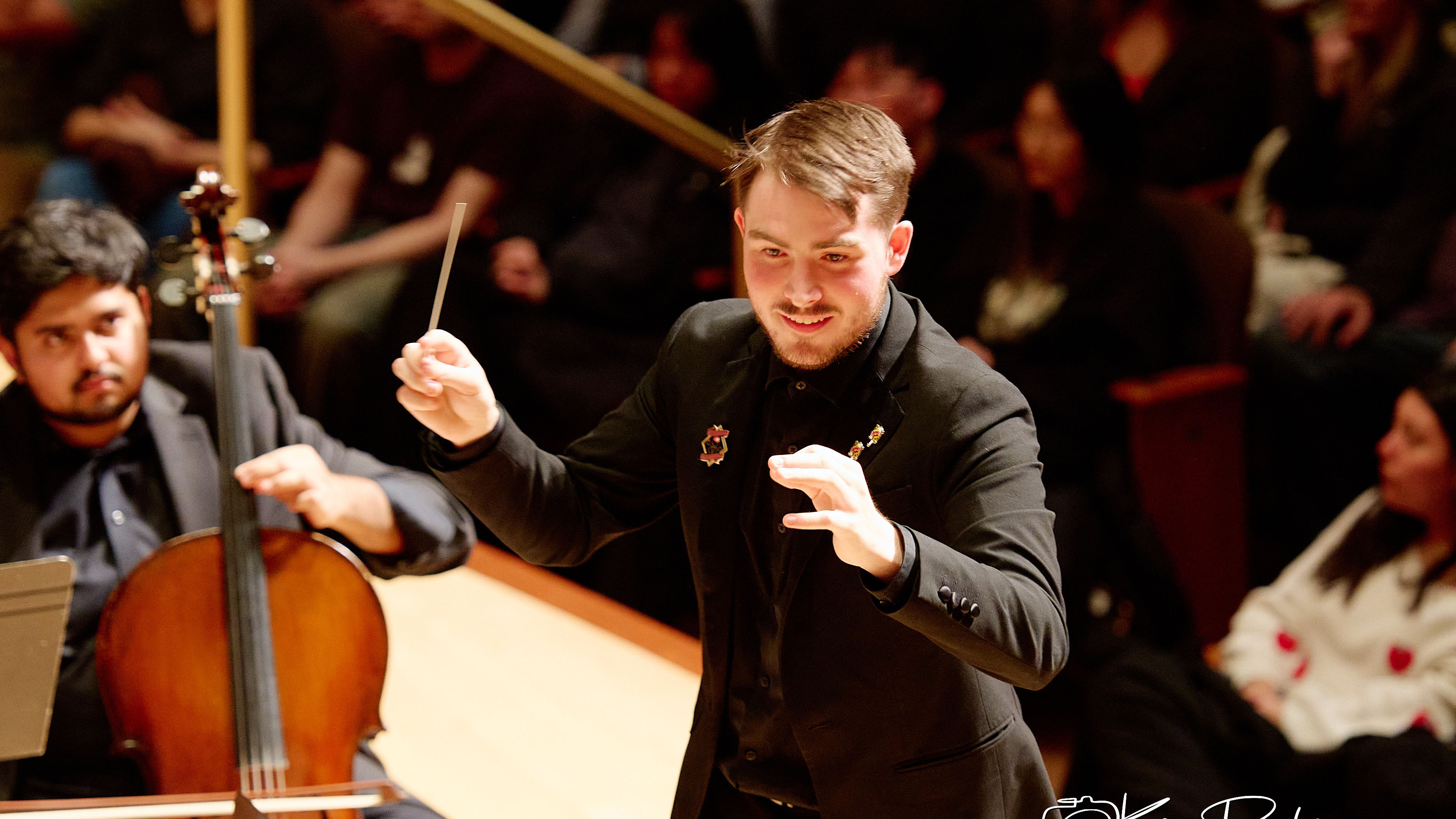
With about 20 officers and multiple committees, plus competitive auditions and deep consideration by leaders of what gaming music to pursue, the GSO “seems less of a club and more a small business,” Wethington said. Students handle everything from logistics and finances to music selection, outreach and charity events. They also do all the conducting and musical arranging, and any member can try their hand at these skills.
While not everyone’s arrangements make the cut, those that do represent something special.
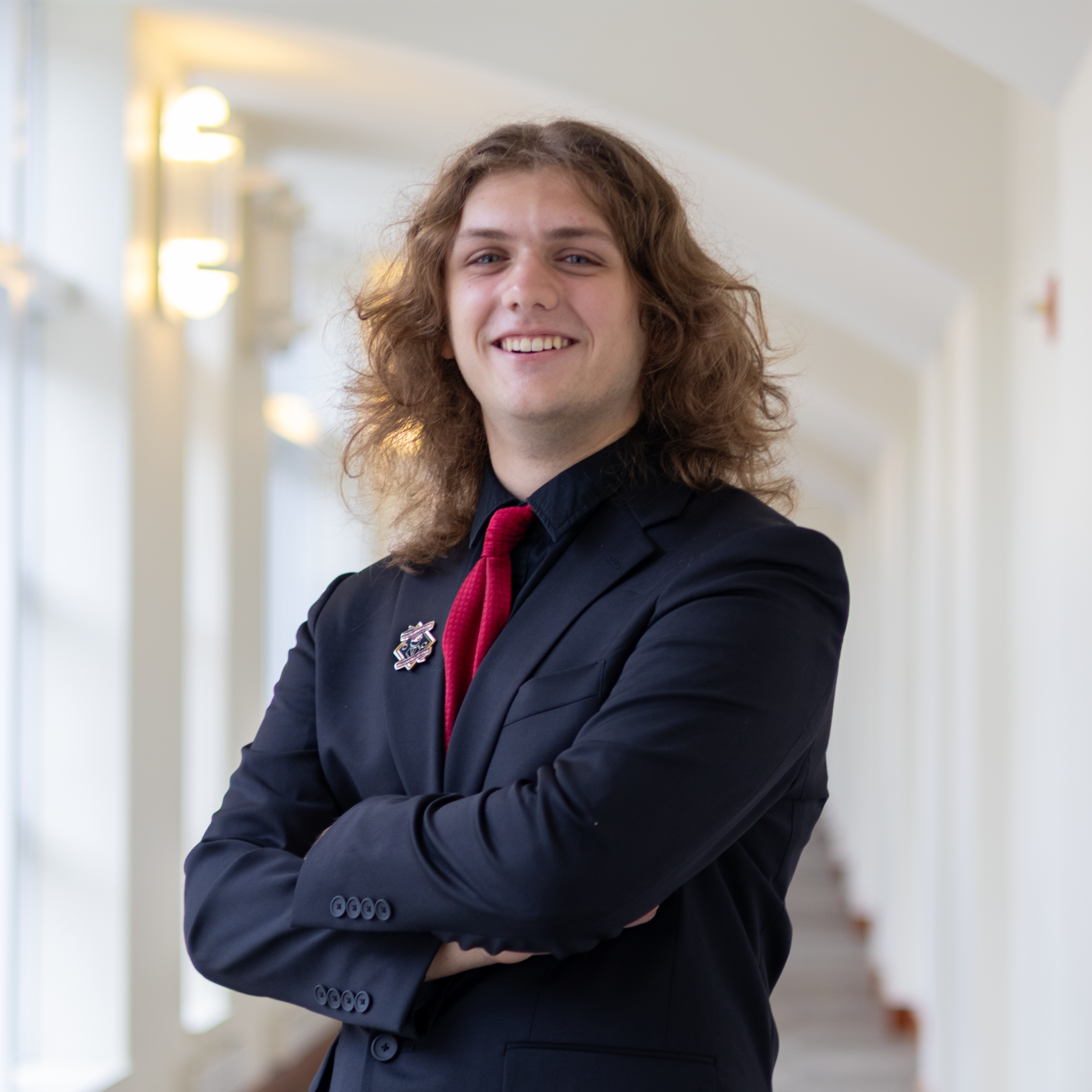
“You’re not just playing music from games—you’re playing music arranged by people you know and like,” Wethington said. “You start to recognize their style, and you get to see the music evolve in real time—people revising things, occasionally changing parts during rehearsals. Each piece is a living thing.”
Outside of the music box
For GSO performers, part of the fun is exposing audiences to music outside the mainstream, “things they’re unlikely to hear otherwise,” Xi said.
And the musicians get to expand their own musical experience, too.
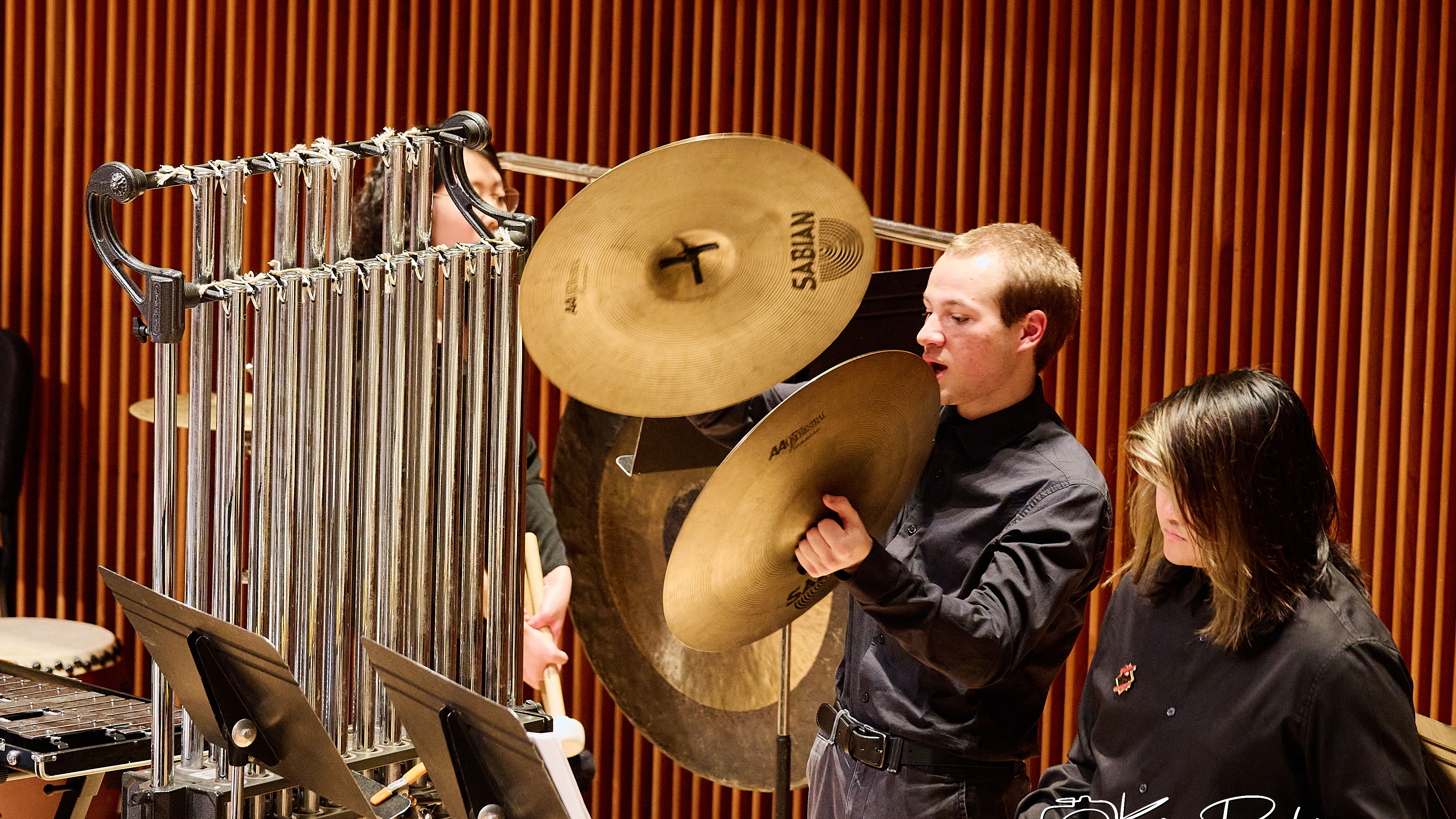
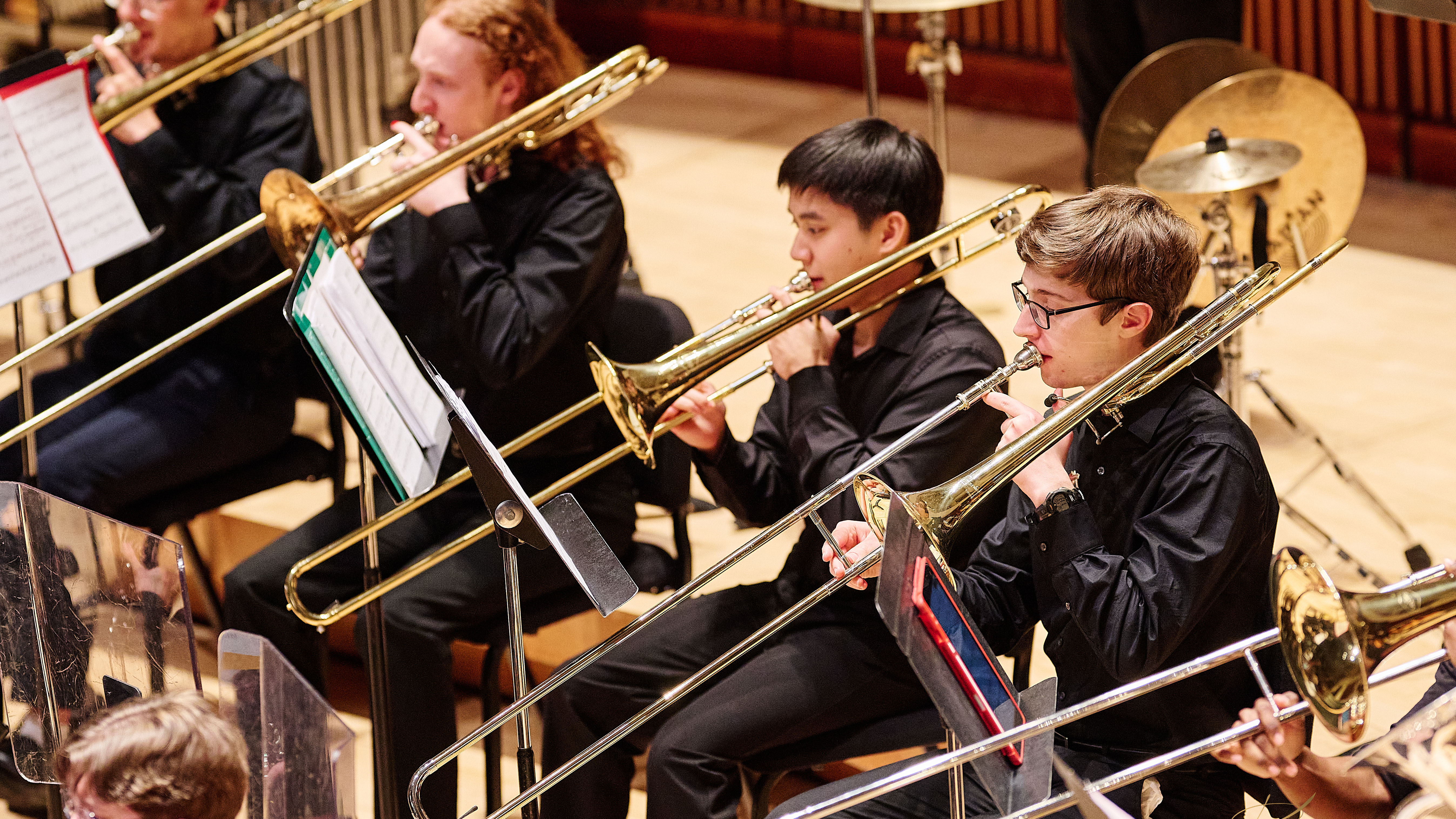
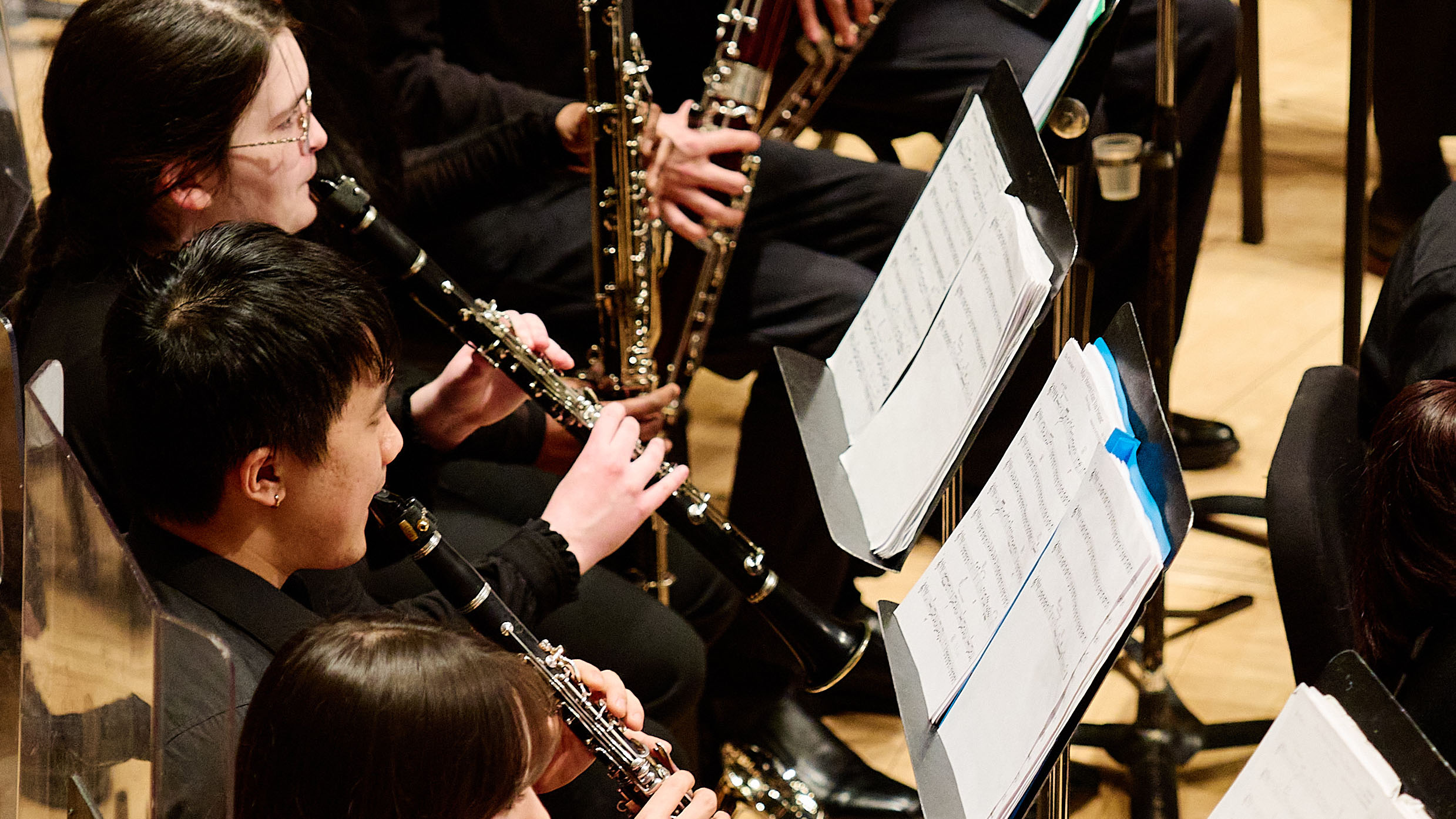
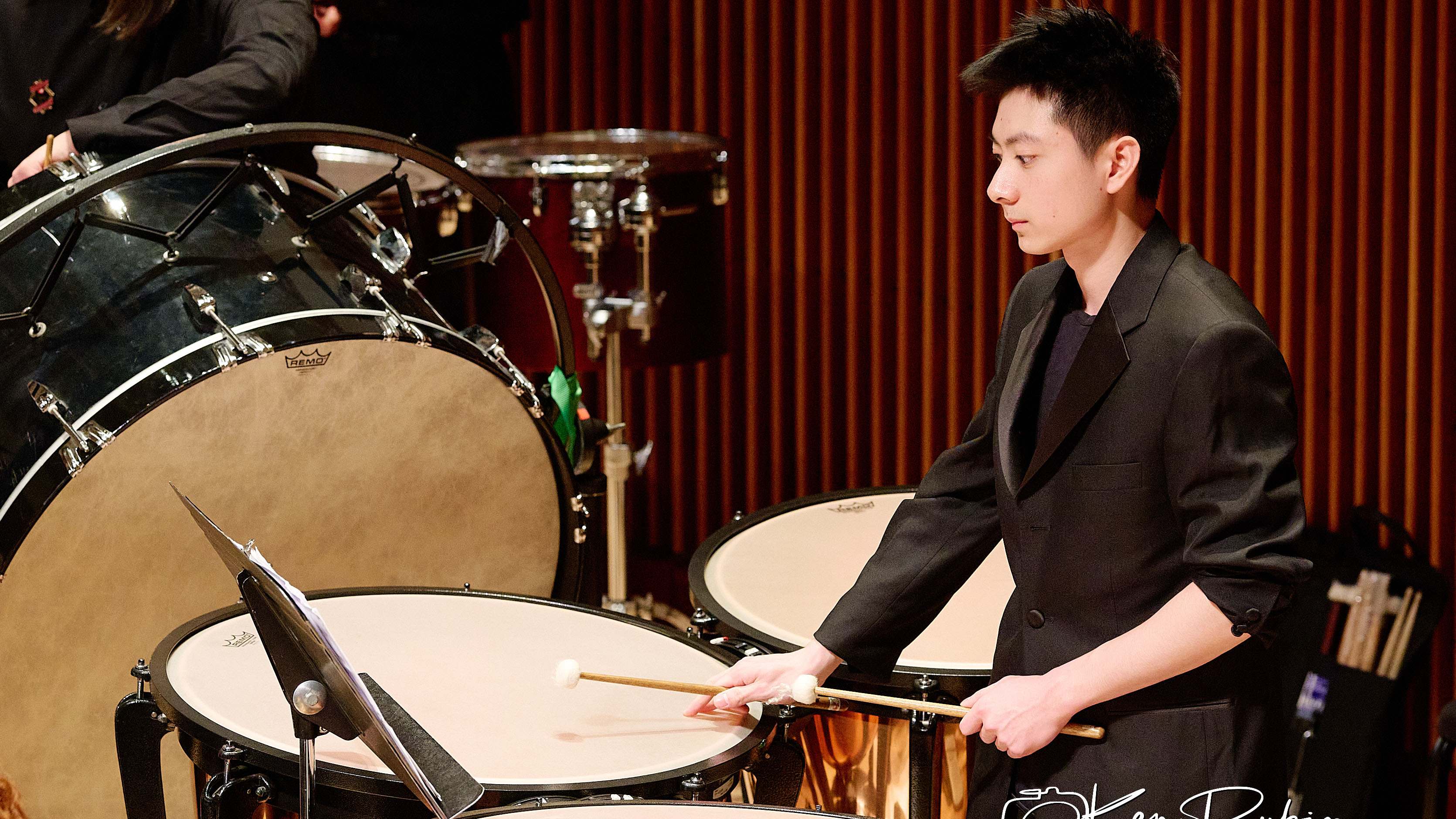
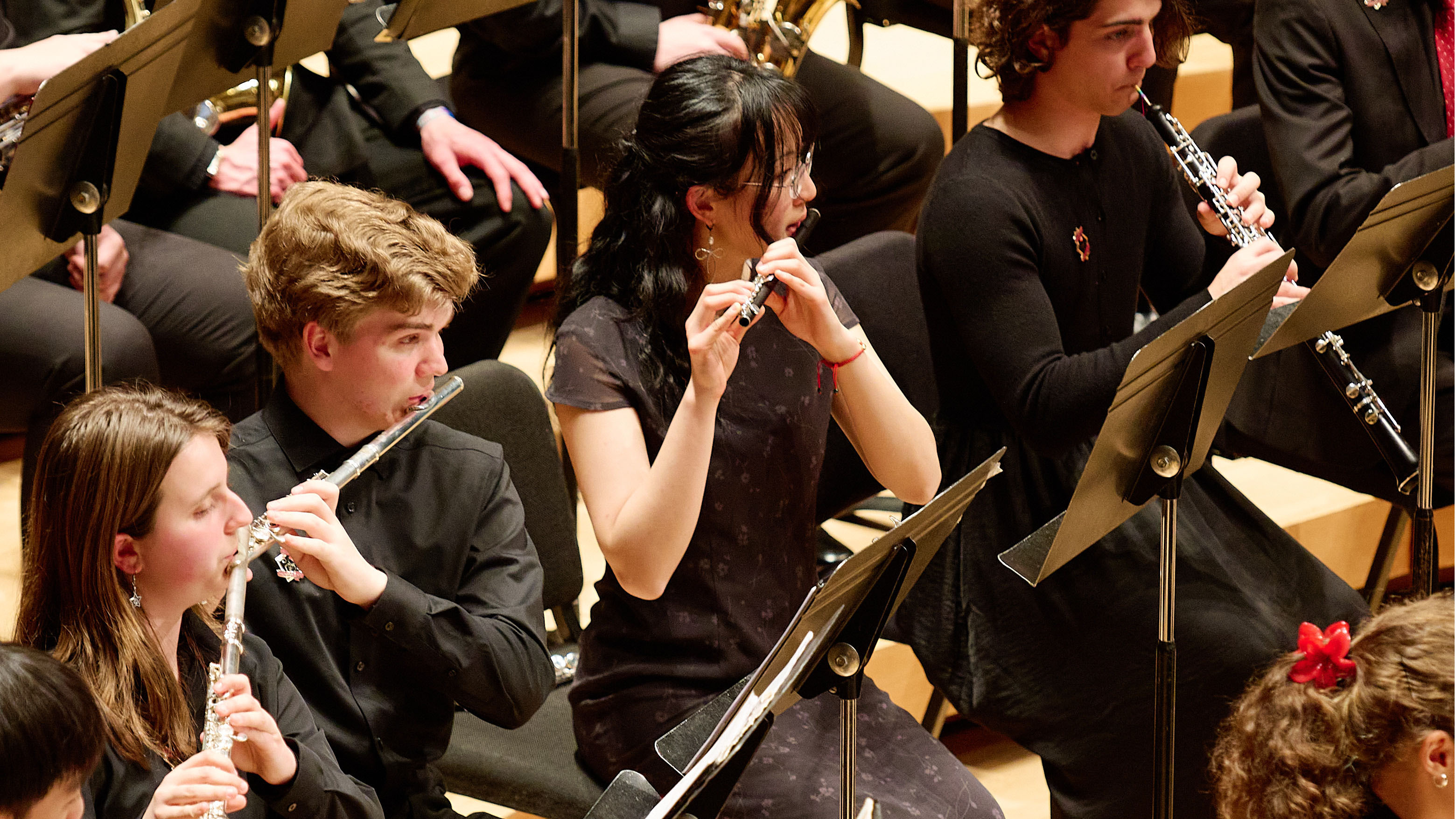
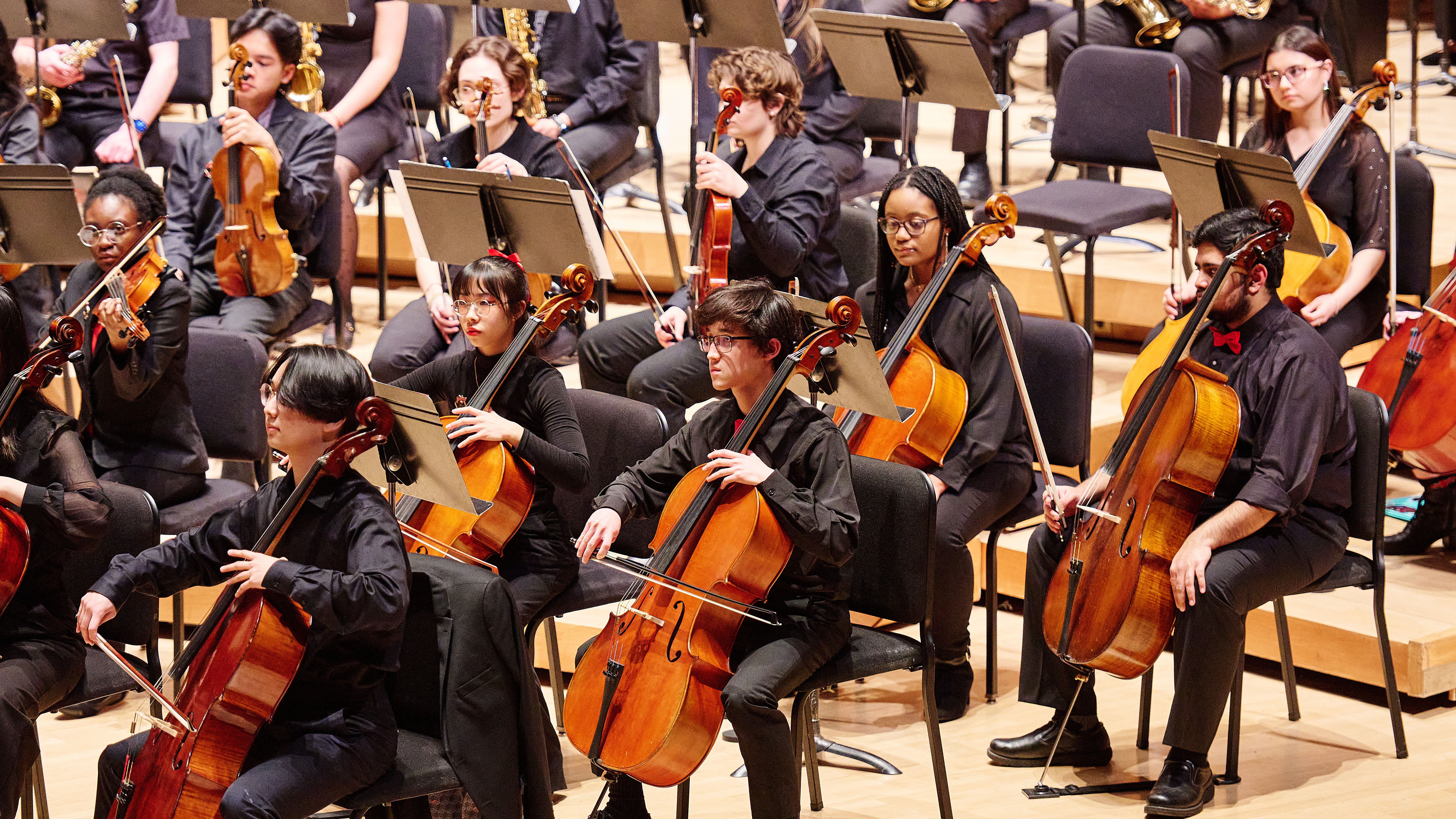
“My musical world was mostly about the violin, and now I’m immersed in brass, woodwinds, percussion, choir, plus all the subdivisions of those,” Xi said. “Where else do you get to smash together electronic and classical or arrange music for a marimba and xylophone?”
Another perk: Students get to experiment through smaller ensembles. Wethington recalled one ensemble that featured a spoken-word history of boxing layered over music; another reimagined an electronic game track as a 1990s pop-punk song.
“You get a lot of variety—more sounds, more styles, more ideas,” he said.
That variety means there’s something for everyone involved, including music the gamer-musicians have on rotation in their regular lives.
“My Spotify playlist has songs from Zelda and Yakuza staggered between Adele, Fallout Boy and K-pop!” Xi said.
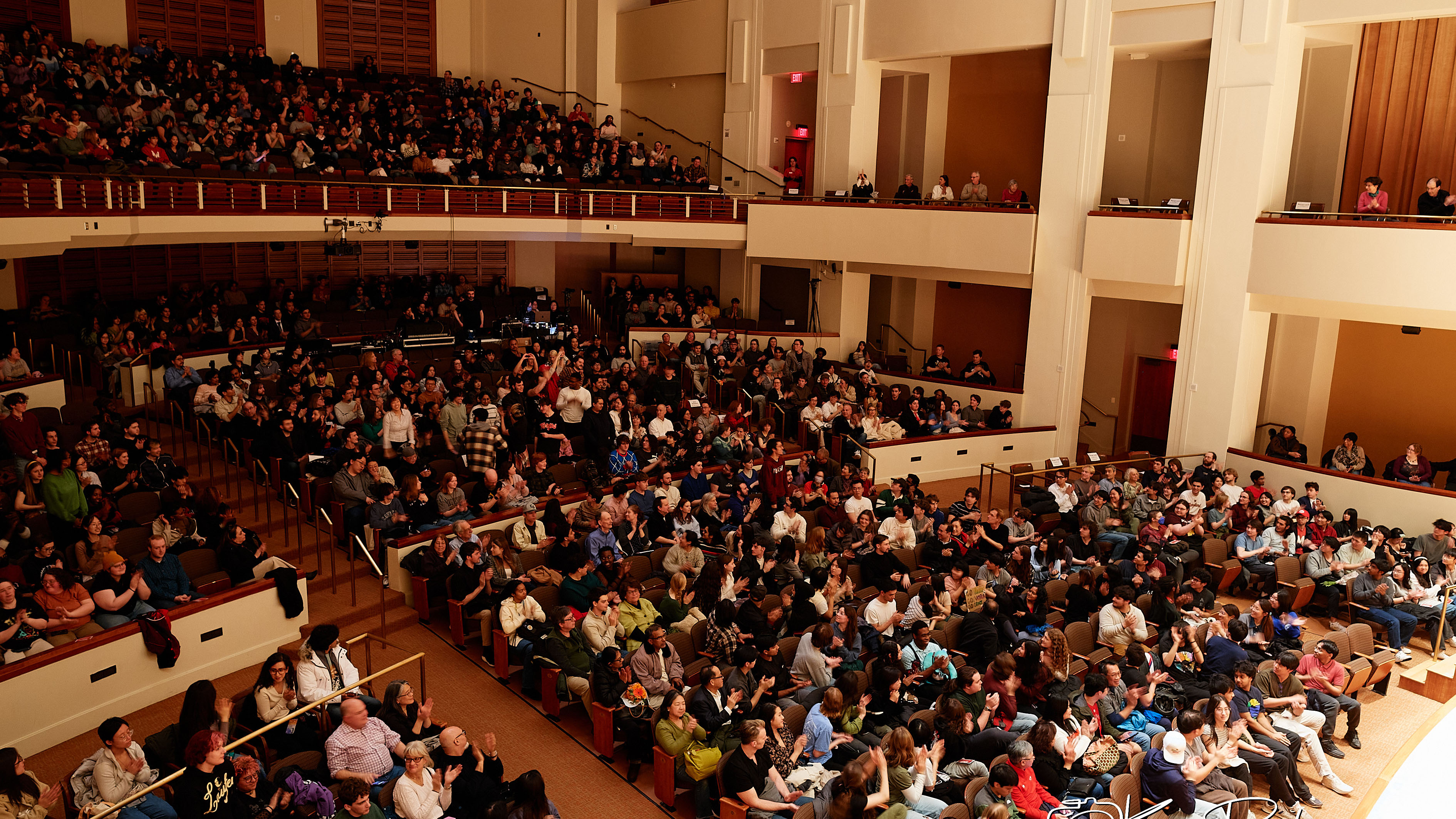
The GSO’s audience is rich with game-loving students and alums, which makes for an enthusiastic reception—even cheers when a familiar score begins.
“They have so much energy,” Menna said. “I think they appreciate that we can do full, sweeping orchestral versions of simple tunes they know and love.”

CMNS in the house
With at least 60 students participating, including most of the current GSO officers, the College of Computer, Mathematical, and Natural Sciences (CMNS) is the biggest contributor to the orchestra. About half of the 60 are computer science (CS) majors.
“I don’t think it’s just the size of CMNS; there’s a huge overlap of people in STEM also doing music in general,” Menna said. “For me, there’s this comforting similarity in music and science where you’re putting puzzle pieces together, tinkering, figuring out what can be tweaked to improve performance. Experimentation is a big part of both endeavors.”
Plus, at least for students in CS, playing video games as a kid typically influenced their choice of major.
“Lots of CS majors in a gamer-music group? That’s a given,” Xi noted.
Coming Soon: The Legend of Zelda, Terraria, Genshin Impact and Plants vs. Zombies
For the 20th-anniversary performance later this month, the orchestra will revisit fan-favorites like The Legend of Zelda and Breath of the Wild, along with newer brands like Terraria, Infinity Nikki and Hollow Knight, performing more than a dozen pieces in total. The concert is free, as always, a deliberate choice to make the event as accessible as possible and encourage a full house. (Shows are also live-streamed on Twitch.)
“It’s always exciting to perform after all that time preparing,” noted Wethington, who expects to stick with the GSO for as long as he’s at UMD and might join a spinoff group when he graduates.
For him, and many others, there’s nothing else quite like it.
“It’s such a unique combination of music, games, creativity and community,” he said. “We’re all passionate about it—and I think that comes through in every piece we do.”
While GSO performances are free, tickets are required. Check out the GSO website to RSVP for coming events. If you can’t make it in person, listen on Twitch.