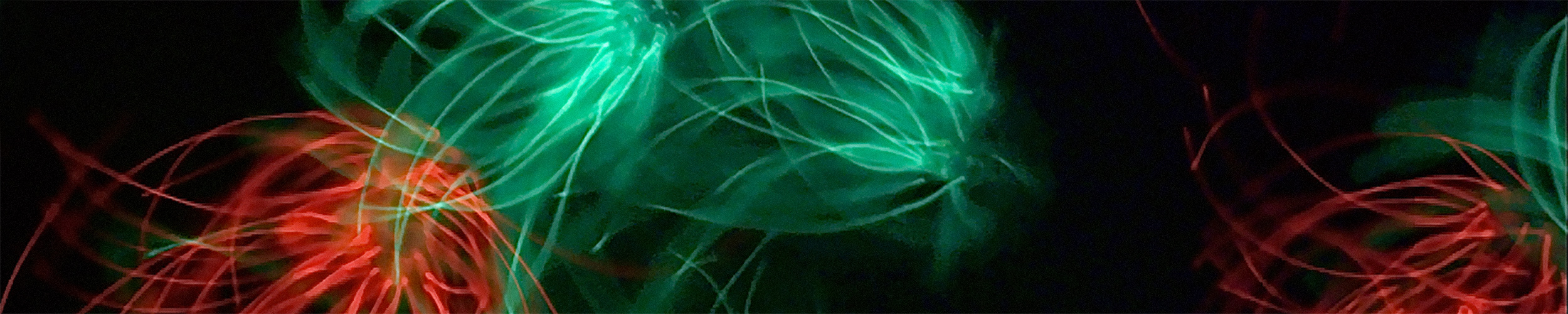
A joint UMD-University of Exeter study shows how collective movement enables viruses to persist with migrating bacterial colonies while minimizing the risk of either complete viral takeover or bacterial escape.



The statistical modeling skills Wesley DeMontigny mastered while studying genomics gave him an upper hand.
Once (or twice) bitten, biological sciences Ph.D. student Jory van Thiel pieces together the genetics of one of nature’s deadliest concoctions.
Postdocs bring valuable expertise, national prestige and additional research funding to UMD.
This summer, three UMD researchers played important roles in the prestigious Marine Biological Laboratory’s summer neurobiology course.
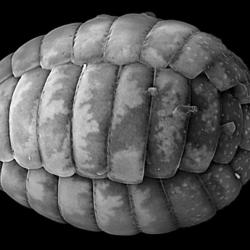
Assistant Professor Julia Van Etten researches how organisms acquire genes from other species through a process called horizontal gene transfer.
As a recipient of the prestigious Intramural Research Training Award, Julian Dumayas (B.S. '26, biological sciences) researches new approaches to eliminating HIV from patients’ DNA.
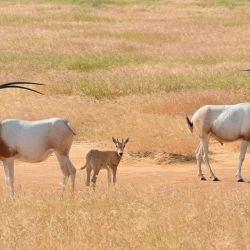
Once on the brink of extinction, the scimitar-horned oryx is making a comeback in the savannahs of Africa—and UMD scientists are waiting to see if this new generation of animals still remembers its wild instincts.
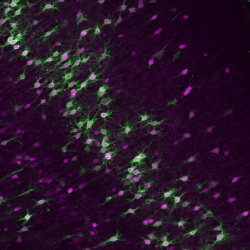
UMD scientists found that a matrix surrounding brain cells loosens and rebuilds during learning—and gradually stops recurring once a skill is learned, offering new clues to why progress can grind to a halt.