Viral Infections Burst Blue-Green Algae, Enriching the Ocean Surface with Nutrients
The viral infection of blue-green algae in the ocean stimulates ecosystem productivity and contributes to a rich oxygen band in the water, according to a new interdisciplinary study led by researchers at the University of Maryland and the University of Tennessee, Knoxville.
“It is really a microbial planet we live on, and viruses are part of that process,” said Steven Wilhelm, the Kenneth and Blaire Mossman Professor in UT’s Department of Microbiology and one of the study’s senior authors. “Sometimes their activity is as much about stimulating growth and production as it is about sickness and disease.”
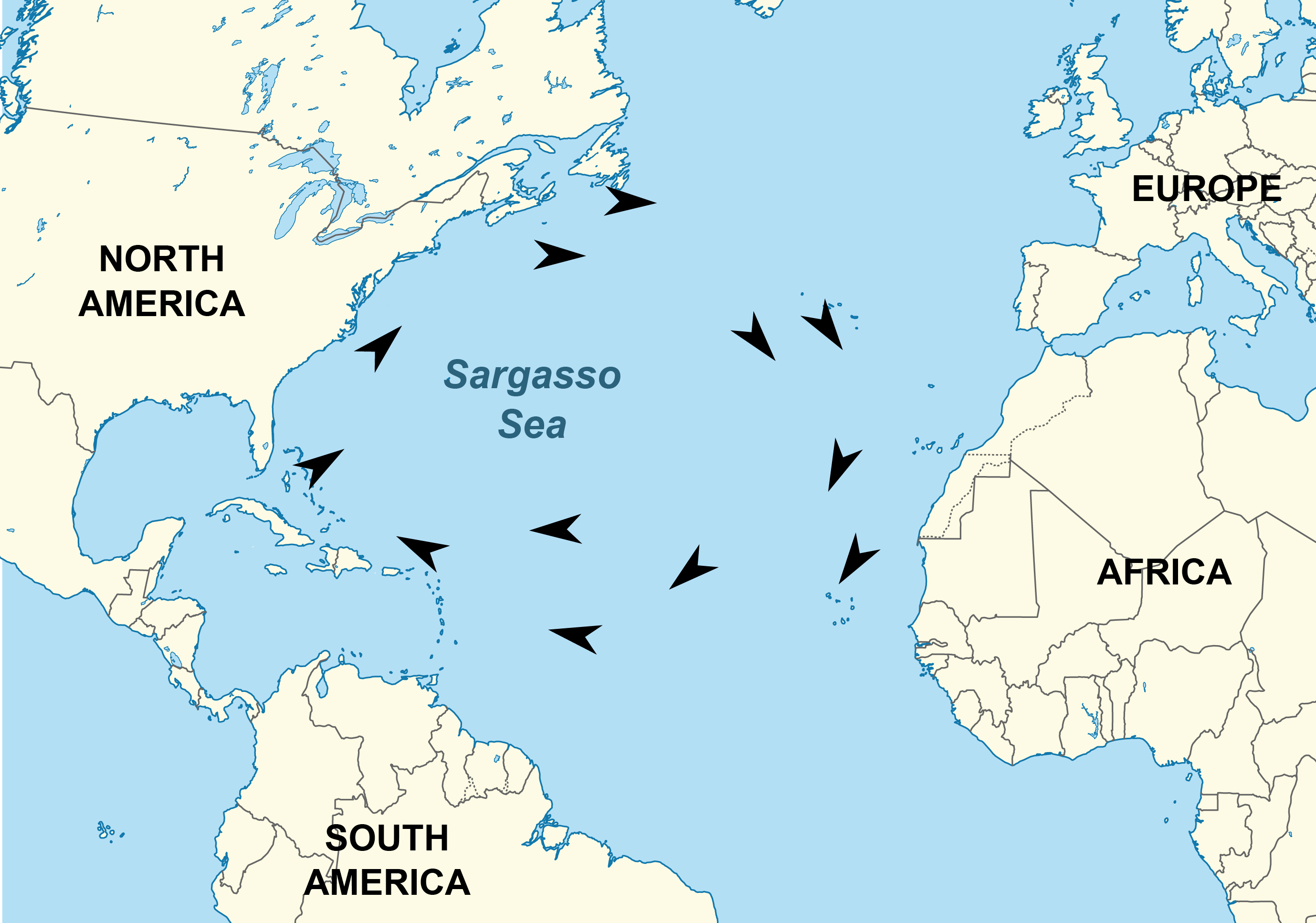
Wilhelm served as chief scientist on the National Science Foundation research cruise to the Sargasso Sea that led to the paper published on January 12, 2026, in the journal Nature Communications. The Sargasso Sea is a region of the subtropical North Atlantic Ocean about 600 miles east of Florida and a geographical anomaly among bodies of water—it’s bounded by ocean currents rather than land.
While traveling on the research vessel Atlantic Explorer in October 2019, the researchers completed around-the-clock RNA sequencing surveys of the microbiology at the Bermuda Atlantic Time-series Study, which has collected physical, biological, and chemical data on the ocean for nearly four decades.
The new study shows how virus infection of the cyanobacterium Prochlorococcus releases nutrients that fuel microbial growth, contributing to enhanced oxygen levels tens of meters below the surface.

“Viruses transform the fate of cells, populations and ecosystems,” said study co-senior author Joshua Weitz, a professor in the Department of Biology and the Institute for Health Computing at UMD and holder of the Clark Leadership Chair in Data Analytics. “In this case, we identified a link between viral infections and enhanced oxygen and microbial activity 50 meters below the surface.”
The paper shows a direct link between two major tenets of oceanographic processes: the “viral shunt,” first described by Wilhelm and Curtis Suttle (University of British Columbia) in 1999, and the microbial loop in the ocean’s food web.
“By analyzing large-scale data on cellular and viral activity over day-night cycles, including the infection status and abundances of viruses that infect cyanobacteria, we are able to identify the imprint of viral infections at system-scales,” Weitz said. “Viral infection appears to enhance the recycling of carbon and nutrients by other microbes, driving productivity and shedding new light on historical trends that indicate a viral role in shaping ecosystem functioning below the surface.”
Researchers completed the RNA sequencing and additional analyses at UT. In addition to UT and UMD, the team included collaborators at the Georgia Institute of Technology, the Ohio State University and the Technion Institute of Technology in Israel.
###
Wilhelm and Weitz will be sharing more about the research in The Conversation.
The paper, “Seasonal enhancement of the viral shunt catalyzes a subsurface oxygen maximum in the Sargasso Sea,” was published on January 12, 2026, in Nature Communications.
This research was supported by the U.S. National Science Foundation (Award Nos. OCE-1829641 and OCE-1737237), the Simons Foundation (Grants 735077, 721231, 529554 and 735081), the Israel Science Foundation (Grant 2679/20), the Blaise Pascal Institute Chair of Excellence award at the Institut de Biologie of the École Normale Supérieure, and the Omidyar Complexity Postdoctoral Fellowship (by the Santa Fe Institute) and was performed under the auspices of the U.S. Department of Energy by Lawrence Livermore National Laboratory under Contract DE-AC52-07NA27344. Sequencing was provided by the Joint Genome Institute Community Science Program (Grant 505733). This article does not necessarily reflect the views of these organizations.
Adapted from text provided by Amy Beth Miller/University of Tennessee, Knoxville.